



Module 2:
Tobacco Industry Marketing Tactics
Have you ever noticed an advertisement, social media post, or product design that made a tobacco or nicotine product look fun and exciting? That’s because the tobacco industry carefully plans their messaging to get your attention and influence what you think about their products.
In this module, you’ll learn how tobacco companies use marketing tactics to make their nicotine pouches more appealing, especially to you. You’ll explore strategies such as flavors, colors, product designs, social media, and messages that can make nicotine pouches seem less harmful than they really are.
WHAT IS TARGETED MARKETING?
Targeted marketing is when companies create ads to appeal to a certain group of people based on their age, interests, and behaviors. Companies promote their products on TV, radio, online streaming, social media, and billboards.
Tobacco companies have a history of targeting children, teens, and young adults in places where they are more likely to see them, like convenience stores, social media platforms, and sporting events. Review the strategies below to learn how tobacco companies use targeted marketing to make nicotine pouches seem low risk and to encourage people to try them.
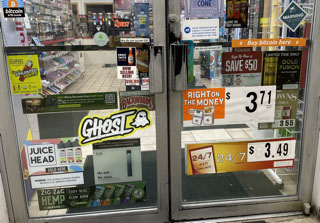
This image is an example of tobacco advertisements that are often placed on the doors of gas stations.
Strategy 1: Product Placement and Visibility
Tobacco companies can influence where their products are placed in stores. Nicotine pouches are sometimes displayed near candy, gum, and other snacks where young people are likely to see them.
This type of placement is intentional. When nicotine pouches are surrounded by familiar products like candy and gum, they look more like a regular snack and less like a nicotine product. Bright colors, small containers, and flavors can add to that impression.
But nicotine pouches are not candy. They contain nicotine, which is highly addictive and can affect the teen brain. Understanding where and how these products are displayed can help you recognize when marketing is designed to make a product seem more appealing.
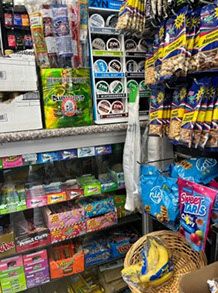
This image is an example of nicotine pouches placed near candy and snacks.
Strategy 2: Advertising and Visual Messaging
Tobacco companies use advertising to make their products grab your attention. Ads for nicotine pouches may show young-looking people using the products while hanging out, having fun, or going about their day. This can make using nicotine seem cool, normal, or like something everyone is doing.
The truth is that these types of advertisements distract from the fact that the product contains nicotine.
Learning to recognize these advertising tactics can help you look beyond the message and ask yourself, “What is this ad trying to make me think or feel?”
Review the table below to learn more about the different types of messaging tobacco companies use to promote nicotine pouches.
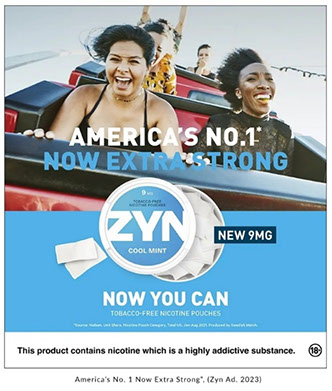
Smoke-Free
Tobacco-Free
These advertisements often claim nicotine pouches are cleaner because they don’t produce smoke, vapor, or ash.
Nicotine pouches can still harm your health because they contain nicotine, which is addictive.
These advertisements say nicotine pouches are safer because they don’t contain tobacco.
They still contain nicotine, which can cause gum problems, cavities, dry mouth, and mouth sores. “Tobacco-Free” does not mean risk free.
Discreet
Different Flavors
These advertisements focus on words like “discreet use,” “freedom,” and “convenience.”
These messages make nicotine pouches seem safe and easy to hide from others.
These advertisements promote flavors like mint, candy, and coffee.
Flavors can hide the harsh taste of nicotine and make the product more interesting to young people.
Strategy 3: Glamorization and Pop Culture
Tobacco companies use celebrities, influencers, and athletes to promote nicotine pouches. Many young people look up to these role models, and social media makes it easy to see and share this content. When popular or successful people are connected to these products, it can make nicotine pouches seem cool, exciting, or part of an active lifestyle.
Formula 1 (F1)
Tobacco and nicotine companies may say they do not market to young people, but their brands can still show up in places that young people enjoy.
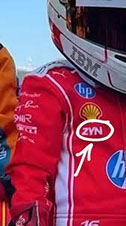
For example, Velo and ZYN have been connected to Formula 1 racing through sponsorships and branding. Formula 1 is a popular international sport with millions of fans, including children and teens. When nicotine brand names or logos appear on racing cars, clothing, or online content, young fans may see them even if the advertising is not specifically aimed at them.
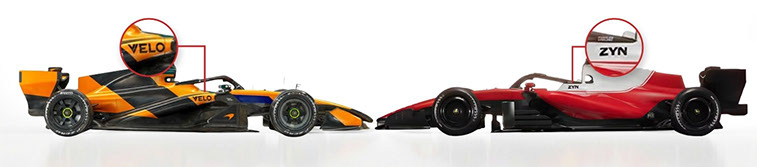
In some cases, nicotine branding has even appeared on clothing worn by children at racing events. Seeing these products connected to exciting sports, popular athletes, or entertainment can make nicotine use seem normal, popular, or part of a certain lifestyle.
This is an important marketing tactic to recognize that a company doesn't have to directly say that a product is for teens in order for young people to be exposed to its marketing.


Social Media
Some companies pay influencers large amounts of money to talk about their products online. Influencers who promote Zyn are sometimes called “Zynfluencers,” and they use hashtags like #Zyn or #Zynfluencer to spread their content.
Posts and videos featuring nicotine pouches may look like regular social media content, but they can actually be a form of advertising. Seeing nicotine used repeatedly in videos, posts, and online trends can also make it seem normal, common, or less risky.
Advertising rules and age restrictions are designed to help limit a young person’s exposure to tobacco and nicotine marketing. However, promotional content on social media can sometimes be harder to recognize because it may look like a joke, trend, review, or everyday post instead of a traditional advertisement.
Music Festivals
Tobacco companies also sponsor music festivals and other popular events because they know many young people attend them. These events are places where people gather to have fun, spend time with friends, and enjoy entertainment, making them valuable opportunities for companies to get their brands noticed.
At some events, companies may have branded booths or displays where people can learn about nicotine products or receive promotional items. Companies may also host special events or experiences for customers. These activities can make people feel like they are part of something exclusive, exciting, or social.
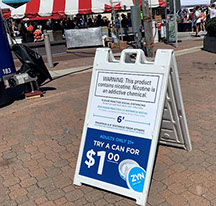
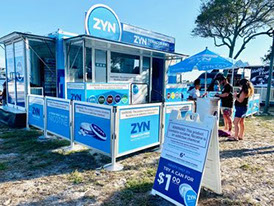
By connecting nicotine pouches with music, sports, entertainment, and social experiences, companies can create positive feelings around their brands. This can make nicotine use seem like a normal or exciting part of having fun while taking attention away from the health risks like addiction and cancer.
Strategy 4: False Health Claims
False health claims are statements in advertisements that make it seem like a product is healthy or safe, even when it’s not.
Tobacco companies often use false health claims to make their products seem safer than they are. All tobacco and nicotine products carry serious health risks, even if some ads claim they are safer than other tobacco products.
For nicotine pouches, tobacco companies market them as “cleaner” and “better for oral health” compared to other smokeless tobacco products. Smokeless tobacco products can increase the risk of teeth staining, tooth decay, and cancers of the mouth and throat. Tobacco companies use this information to sell nicotine pouches as the “safer” choice, but that doesn’t mean they’re safe. Research shows both products can cause similar health problems. Nicotine pouches can still damage teeth and gums, and they can weaken teeth enamel that leads to staining, receding gums, and dry mouth.
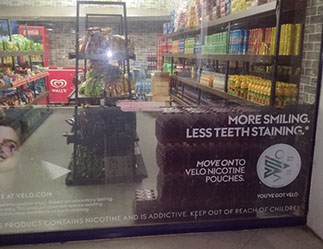
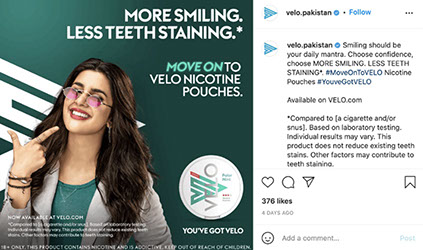
These images are examples of false advertising from Velo nicotine pouches. These advertisements are claiming their product is better for teeth health.
The tobacco industry also uses social media to share messages that make nicotine pouches seem like they have benefits. Some posts suggest that nicotine can help you focus, feel more alert, or have more energy. These messages can make nicotine seem like a quick way to improve performance at school, during sports, or while doing other activities.
While nicotine can temporarily make someone feel more alert, this effect does not last. With repeated use, the brain can begin to depend on nicotine. A person may then feel like they need nicotine just to feel focused or normal.
Be careful when you see claims online that make nicotine sound helpful or harmless. A product containing an addictive substance is not a healthy way to improve focus or energy.
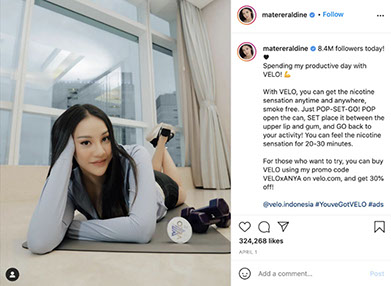
This image is an example of an influencer promoting harmful claims that Velo nicotine pouches help her productivity.
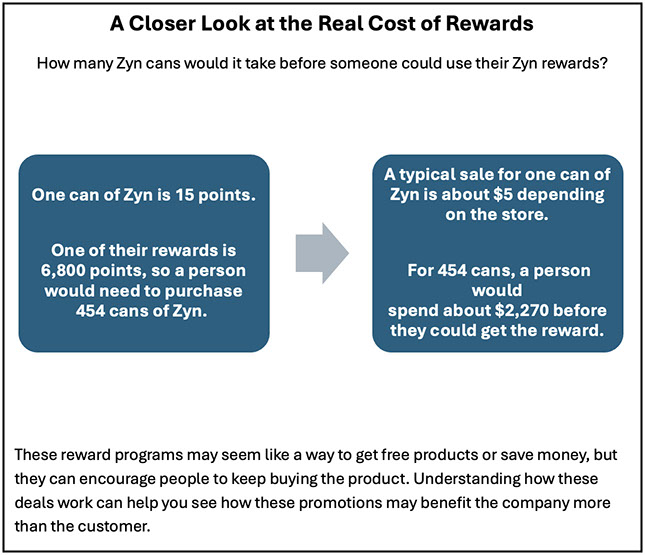
Strategy 5: Rewards Programs and Discounts
Tobacco companies don't only use ads to attract customers. They also use rewards, discounts, giveaways, and special deals to encourage people to buy and use their products.
Some nicotine pouch brands have offered rewards programs where customers can earn points and exchange them for items, discounts, or other prizes. Other companies offer promotions such as “Buy One, Get One Free” (BOGO) deals.
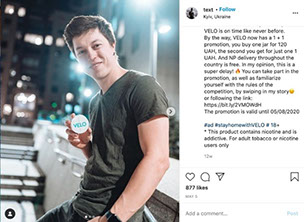
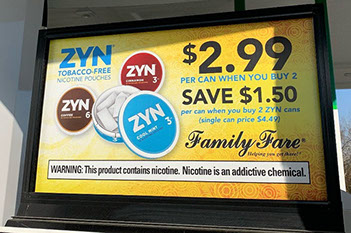
These offers can make nicotine products seem like a good deal or make people want to collect more rewards. But there is a bigger concern, promotions can encourage people to buy and use nicotine products more often. For someone who is already using nicotine, this can make it harder to stop.
It is important to remember that a discount, free item, or reward can make a product seem like a great deal, but it doesn't make a nicotine product safe.
Strategy 6: Creating a Positive Corporate Image
Some tobacco companies try to create a positive image by supporting charities, donating money, or getting involved in community causes. These actions can make a company seem caring, helpful, and responsible. For example, ZYN has donated millions of dollars in reward points to support different organizations.
Remember, a positive public image does not change the fact that nicotine is highly addictive and can harm the developing brain. A company can support good causes and still have products that carry health risks. Looking at the bigger picture can help you separate a company's public image from the potential risks of its products.



Training Module
Modules
Home
Say What! EST. 2011



Phone
512.245.8082
Mailing Address
Texas School Safety Center
ATTN: Say What Program
Texas State University
601 University Drive
San Marcos, TX 78666

Say What! was created and designed by young people from across Texas and connects students interested in eliminating tobacco from their schools and communities. The Say What! movement is funded by the Texas Department of State Health Services through a contract with the Texas School Safety Center at Texas State University.